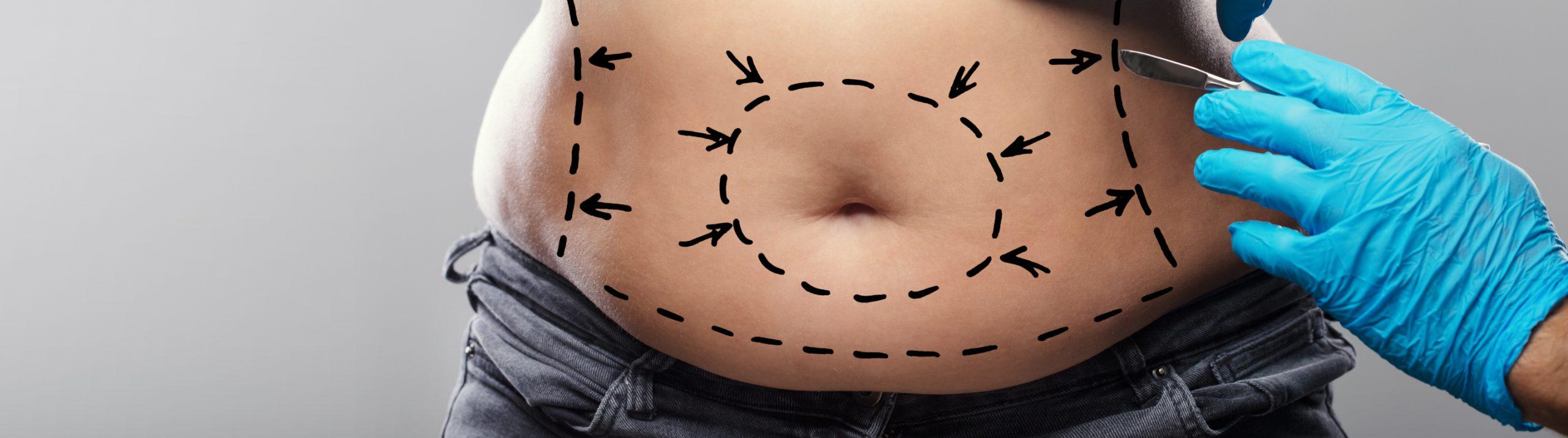
Abdominoplasty in Sabadell
Abdominoplasty removes excess skin from the abdomen, particularly the lower abdomen. If appropriate, separated abdominal muscles can also be addressed. At Clínicas NG in Sabadell, the team assesses which technique may suit your case.
- FICHA TÉCNICA
- Tiempo quirúrgico: Around 2–3 hours
- Anestesia: General anaesthesia
- Hospitalización: Usually 2 nights
- Recuperación: 1–2 weeks for initial recovery
- Resultados: Gradual changes over weeks and months
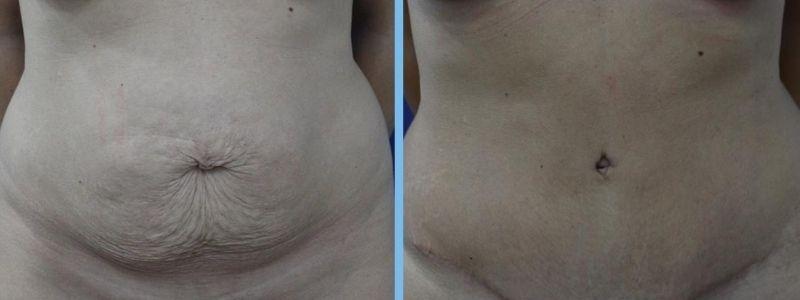


Before and after abdominoplasty
Abdominoplasty may be considered when excess skin hangs from the lower abdomen, sometimes forming a fold over the pubic area, or when there is excess tissue at the flanks. Surgery can improve the contour and, if needed, address the abdominal wall. The photographs show examples of these changes.
Where there is localised fat, some people may combine surgery with liposuction. This combination, called lipoabdominoplasty, is decided according to your anatomy and goals.
Abdominoplasty in Sabadell
At Clínicas NG in Sabadell, the team considers abdominoplasty, also known as abdominal lipectomy, among the options for body contouring surgery.
Many people seek advice about skin that has lost elasticity after pregnancies or weight changes. The team considers where excess tissue lies and its relationship to the abdominal wall. The operation may be considered for women and men.
Abdominoplasty for men
A prominent abdomen can have different causes, including excess skin and localised fat. If both can be addressed with surgery, lipoabdominoplasty may be considered.
The surgeon also examines the rectus abdominal muscles. If they are separated, the surgeon explains whether bringing them closer together could improve the contour.
Before and after abdominoplasty in men
Exercise and diet can affect body contours, while excess skin and localised fat deposits need a separate assessment. Surgery may reduce overhanging tissue and change the contour. The result depends on your starting point.
Preparing for abdominoplasty
Your surgeon tells you which medical tests are needed to assess whether the operation is suitable and how to prepare.

How abdominoplasty is performed
Excess skin is removed and the remaining skin is adjusted to the new contour. If appropriate, the surgeon uses internal stitches to bring separated muscles closer together.
The technique depends on the extent of excess tissue. A low horizontal incision is usual. Some cases also require a vertical incision. Liposuction can be considered as an additional procedure.
Recovery after abdominoplasty
Your hospital stay and discharge depend on how you recover. In the first few days, your team guides you on dressing care and how to start moving gradually. If a compression garment is recommended, they explain how and for how long to wear it.
Returning to strenuous exercise is assessed after the first few weeks. Swelling reduces gradually. At follow-up the team confirms when you can stop wearing the garment and resume different activities.
Read more about abdominoplasty on our blog
I had a tummy tuck and my abdomen still sticks out. Is that normal? (ES)
What is abdominoplasty and how is it assessed for men? (ES)
Who can have an abdominoplasty? (ES)
Abdominoplasty, more than a cosmetic operation (ES)
Addressing localised fat with lipoabdominoplasty (ES)