Hair treatments in Sabadell
Increased shedding, progressively thinner hair or a change in your parting can have different causes. A scalp assessment helps determine whether to monitor the changes, investigate a specific cause or consider treatment.
- FICHA TÉCNICA
- Tiempo quirúrgico:
- Anestesia:
- Hospitalización:
- Recuperación:
- Resultados:
What has changed in your hair
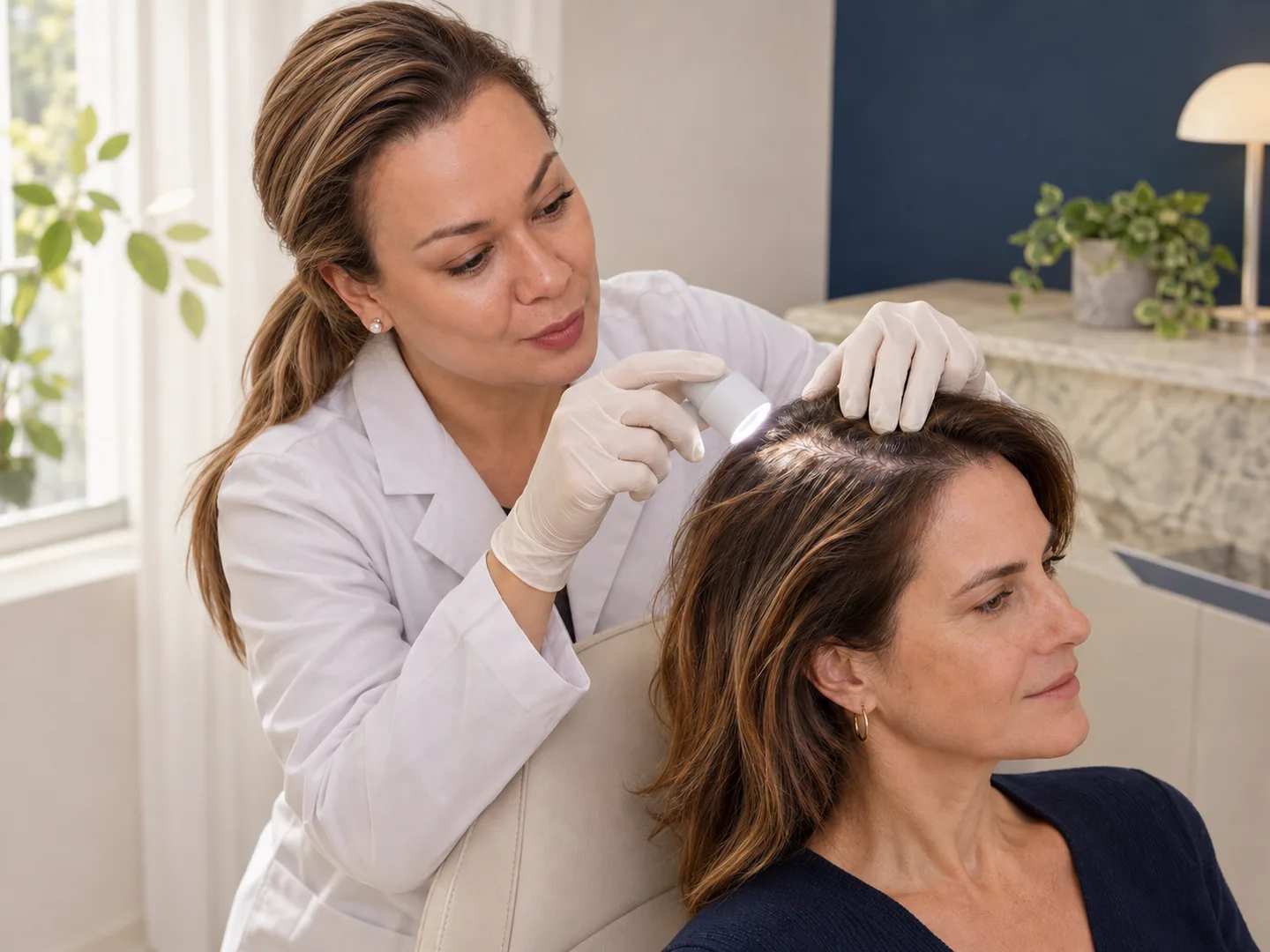
At your appointment, it helps to know whether you are shedding more hair, have gradually lost density or have noticed specific areas with less hair. It is also helpful to know whether your scalp is itchy, flaky or uncomfortable.
How we assess hair loss
The assessment combines your medical history with an examination of your hair and scalp. Depending on what the team finds, they may consider examination under magnification, blood tests or a more detailed dermatological assessment.
What options may be considered
The plan depends on the diagnosis. It may involve addressing a trigger, considering medical treatment or monitoring how your hair changes over time.
Scalp PRP in Sabadell
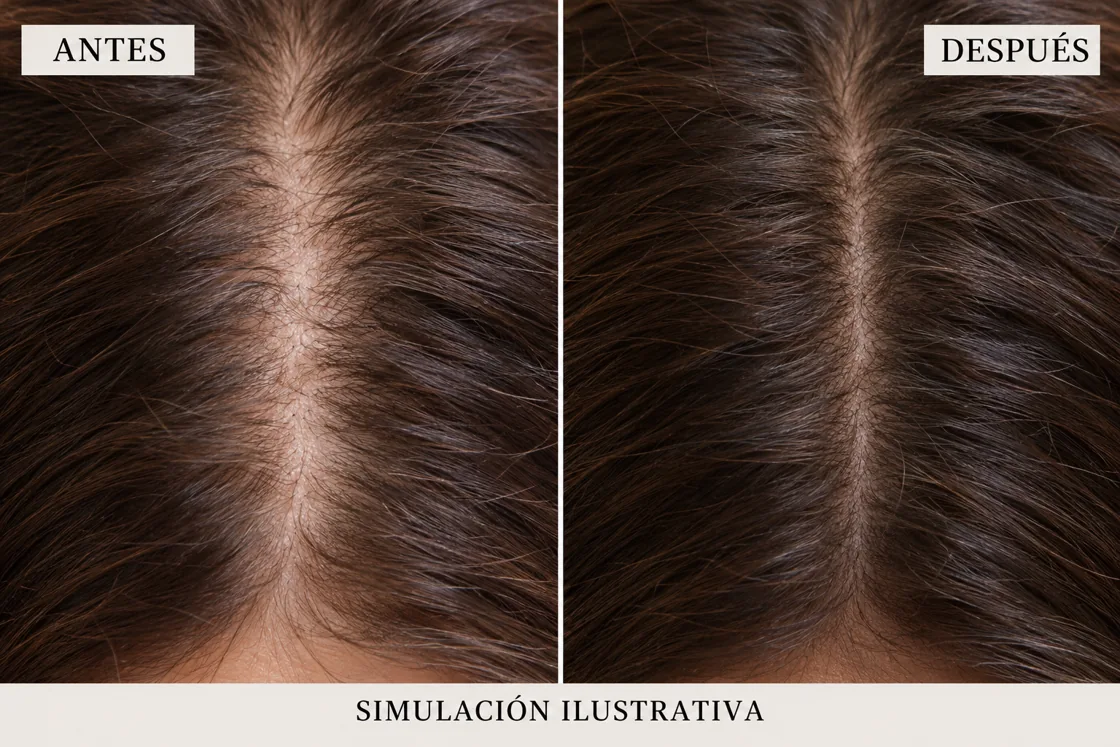
Platelet-rich plasma (PRP) is an option that the Clínicas NG team may consider when hair becomes thinner and loses density. It has mainly been studied in androgenetic alopecia, which can show up as a gradually widening parting or reduced density at the crown. A scalp examination helps distinguish this pattern from other causes of hair loss and determine whether PRP fits the plan.
What happens during a session
A small sample of your blood is drawn and centrifuged to obtain a fraction of plasma rich in platelets. The preparation is injected in small amounts into the areas of the scalp that have been assessed. Before considering a session, the team reviews your medical history, medication and the condition of your skin. The injections can cause discomfort or temporary tenderness.
What to expect and how progress is monitored
Some trials have found improvements in hair density in people with androgenetic alopecia. Studies use different preparations and schedules, and the response varies. At your consultation, you can discuss the change you are looking for, how PRP fits with other options and when to review the plan. Follow-up may include comparing photos of the parting or crown taken in the same light and from the same angle.
Review of studies on PRP and hair density
What to bring to your appointment
If you have them, bring earlier photos showing your parting or hair density, along with a list of treatments you have tried. Noting when the shedding started and whether your health or medication changed helps the team understand how it has progressed.
For more information, see PortalCLÍNIC’s guide to alopecia and the American Academy of Dermatology. Contact Clínicas NG.