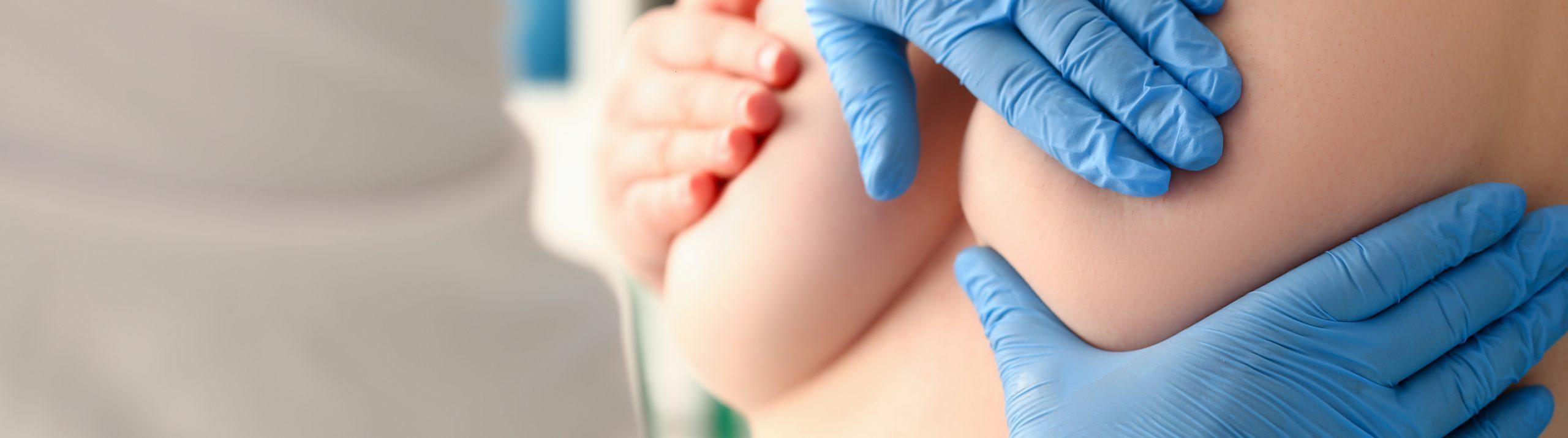
Tuberous breasts in Sabadell
Tuberous or tubular breasts are a variation in breast development that usually becomes noticeable during puberty. The breasts may look conical, and differences in size and shape vary between individuals. At our Sabadell clinic, we assess each case and discuss the options.
- FICHA TÉCNICA
- Tiempo quirúrgico: 2 to 3 hours
- Anestesia: General
- Hospitalización: Usually 1 night
- Recuperación: Initial recovery around 1 week
- Resultados: Changes over the following months


Tuberous breast surgery before and after
Tuberous breasts are also described as having a narrow or constricted base. Sometimes breast tissue bulges through the areola, known as areolar herniation. The breasts may be small, appear compressed or differ from one another. The photographs above show how surgery can change their shape and redistribute volume. For some people this may also matter to their well-being and how they feel about their body.
Tuberous breasts in Sabadell
At Clínicas NG, we carry out the initial assessment at our Sabadell clinic. Tell the specialist what concerns you and what you hope surgery could achieve. An examination helps identify the areas affected and which options make sense for you.
Before you decide, the surgeon will explain the anaesthetic, where the operation would take place and how your hospital stay and follow-up would be organised. You can ask questions about the technique, the team and recovery.
Choosing the technique and whether to use implants
The choice depends on the shape of the breast base, how the tissue is distributed and the volume you want. There are several classification systems. One distinguishes three grades according to whether underdevelopment mainly affects the lower inner area, both lower areas or the entire base. The areola may look enlarged, and the breast may be conical or tubular.
In mild cases, the surgeon may consider a breast implant based on the surrounding tissue. A very constricted base may need glandular release and reshaping. In some cases, an implant is part of the plan to add volume alongside the reshaping.
Preparing for tuberous breast surgery
Preparation may include blood tests, a chest X-ray, a mammogram or an ECG, depending on your history and the planned procedure. Tell the team if you smoke. Smoking can make wound healing more difficult.
Breast shape often first becomes a concern during adolescence. It is common to have questions before an operation. An experienced specialist can assess breast development, discuss when surgery might be appropriate and explain what results to expect. You can bring someone to the consultation if you wish.

On the day of tuberous breast surgery
The surgeon makes markings to guide the operation. The team cleans the skin and administers a general anaesthetic. You may wake up wearing a post-surgical bra. Some changes are visible straight away, while others are easier to assess after swelling subsides.
Recovery after tuberous breast surgery
An overnight stay is usual. Ask whether someone can accompany you. The team decides when it is safe for you to go home. You may feel tired and swollen initially. The first week is the initial recovery period, and the team will advise which activities you can resume.
Returning to your routine after tuberous breast surgery
If you have implants, they settle over the following months. Swelling also goes down gradually. Follow the advice on lifting, sudden movements and activities that could lead to knocks. Follow-up visits help tailor your return to activity to your progress.
Read more about tuberous breasts on our blog
Tuberous breasts: causes and how to recognise them (ES)
Surgery for tuberous breasts (ES)
Grades of tuberous breast development (ES)
Breast asymmetry and how it can be corrected (ES)