Why a physical feature can start to bother you later in life
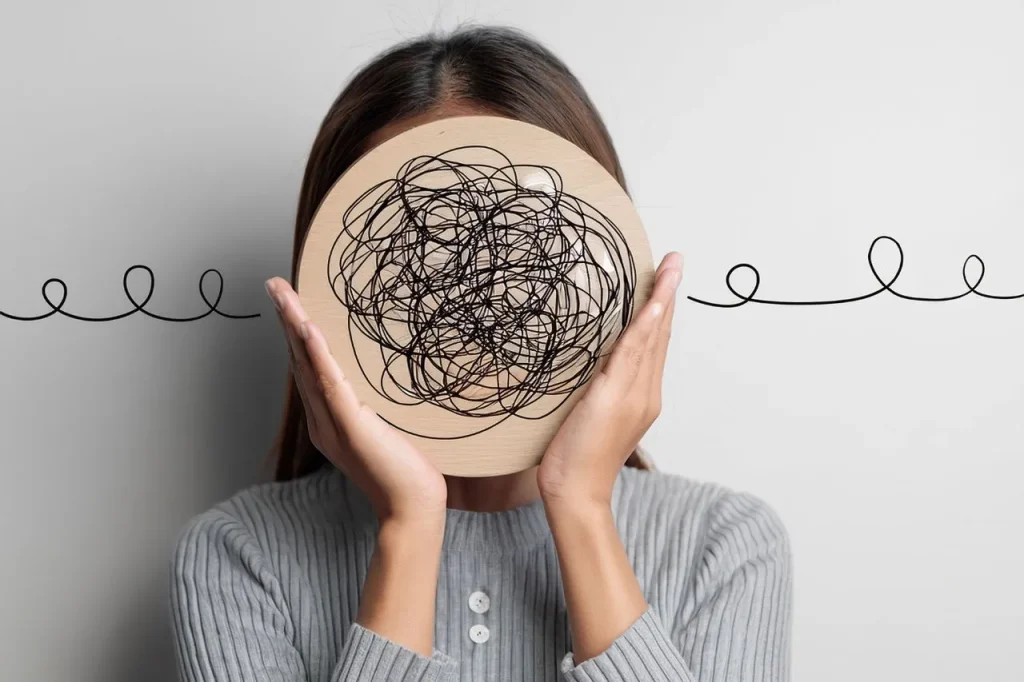
You can live with a physical feature for years without it causing a problem. Perhaps the insecurity is there like an echo, but it stays in the background. Then, at thirty, forty or later, the same feature can start to look like a flaw and take up a great deal of mental space. The way you interpret it and fit it into your life story has changed.
Rediscovering an insecurity you had learned to live with
Many people with prominent ears or other distinctive features learn to accept them and give them less attention. Some smile with their mouths closed, style their hair to conceal the feature or use hats, glasses or other means to draw attention elsewhere.
In adulthood, video calls, group photographs, selfies, social media, work meetings and reunions with old acquaintances can all change how we see our bodies. A feature that had faded into the background can come back into sharp focus. This often reflects a shift in body image even when there has been no sudden physical change.
Why can an insecurity resurface in adulthood?
Modern psychology describes these insecurities as a distorted perception of a feature combined with negative thoughts and a strong emotional response. In many cases, a longstanding concern resurfaces in adulthood after years in the background.
Others may try to play it down with comments such as ‘it’s nothing’ or ‘it looks fine on you’. On the inside, however, the person can feel that this part of their body differs from what they see as normal.
Adulthood can also bring greater self-awareness. We observe ourselves and ask who we are, how we see ourselves and how we think other people see us.
Having the freedom and resources to decide
A dilemma can emerge in adult life: keep living with the feature as before, or use the freedom you now have to change it. That freedom often comes from greater independence, a salary or savings.
Prominent ears as an example
Some parents choose surgery in childhood to avoid possible teasing or distress. Others do not, for any number of reasons. Twenty or thirty years later, the intention can be different. An adult who chooses surgery can make that decision based on how they want to feel in their own body.
Otoplasty, or ear surgery, can bring the ears closer to the head, correct differences in shape, reduce their size or improve symmetry. When someone seeks surgery because a feature bothers them, emotional wellbeing can be part of what they hope to address. They may want to spend less mental energy on the feature and feel that their appearance better reflects how they wish to present themselves as an adult.
> CLÍNICAS NG NEWS section
Medical centre authorised by the Government of Catalonia, registration no. E08945122
Plastic, reconstructive and aesthetic surgery
Aesthetic medicine
93 716 95 25
654 32 67 57
// About Dr Nélida Grande
Dr Grande graduated in Medicine and Surgery from the Autonomous University of Barcelona. She specialises in plastic surgery of the breasts, body and face, and in advanced aesthetic medicine treatments. Drawing on her extensive professional experience, she sees beauty as closely linked to health. Her approach is to treat the body so that the mind can find its balance.