Neuromodulators: what they are and how they soften movement-related wrinkles
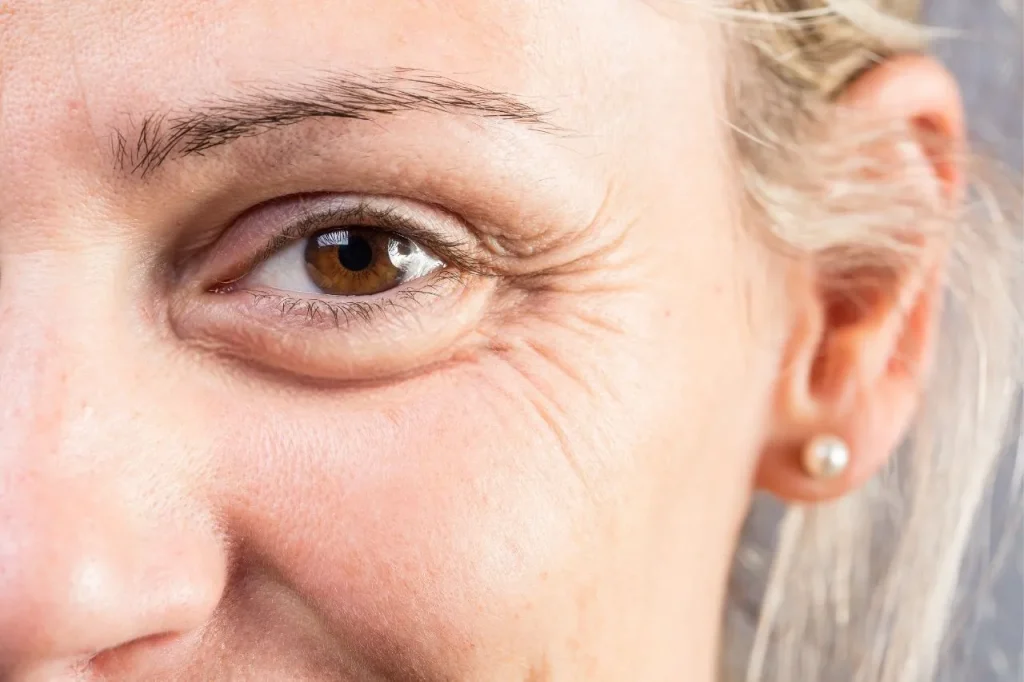
Neuromodulation is used in aesthetic medicine to noticeably reduce forehead lines, frown lines and crow’s feet. It can give patients a fresher, more youthful appearance. Here we explain what neuromodulators are and how they work.
We also describe their benefits in aesthetic medicine and explain how they differ from hyaluronic acid injections.
If the term sounds unfamiliar, it refers to the well-known toxin used for many years in facial rejuvenation. It also has other uses, such as managing teeth grinding, and it has also been used to improve hair condition.
What are neuromodulators and how do they work?
Neuromodulators act on the nervous system, altering how signals are transmitted. In aesthetic medicine they are used to reduce the muscle activity that causes wrinkles and expression lines. They are used for dynamic wrinkles, which form through repeated facial muscle movement.
The injections may cause brief, mild discomfort. Neuromodulators interfere with the release of neurotransmitters, reducing the intensity of muscle contractions. This softens expression lines and gives the skin a smoother, younger appearance.
Treatment and results
The procedure is relatively straightforward and quick. A session takes 10 to 20 minutes, depending on the areas being treated.
Effects start to show after two or three days and reach their maximum after two weeks. Results can last six months or longer, depending on factors such as your metabolism, the amount injected and the area treated.
To maintain results, consider periodic sessions once or twice a year.

Benefits of neuromodulators in aesthetic medicine
- Reduction of movement-related wrinkles, including frown lines, forehead lines and crow’s feet. Relaxing the muscles responsible for these lines creates a more refreshed appearance.
- No surgery or downtime. There is no need for an operating theatre or bed rest. You can return to your daily activities immediately after the session. Your specialist may advise avoiding strenuous exercise and massage of the treated area for 24–48 hours.
- Natural-looking results. Proper treatment by an aesthetic doctor or plastic surgeon can avoid a “frozen face”, which can result from excessive doses or treatment by someone without the right qualifications.
Neuromodulators and hyaluronic acid
Neuromodulators reduce muscle activity. Hyaluronic acid works differently and does not act on neurotransmitters.
It is a dermal filler that adds volume and helps fill static wrinkles, which are visible even when the face is at rest. It attracts and retains water, hydrating skin and restoring facial volume. It can be useful for deep lines and creases, such as nasolabial folds, also known as smile lines.
At what age are neuromodulators considered?
There is no set age. Aesthetic needs vary with each person’s individual characteristics and the pace at which they age.
People often start considering treatment at around 40.