How to reduce localised fat
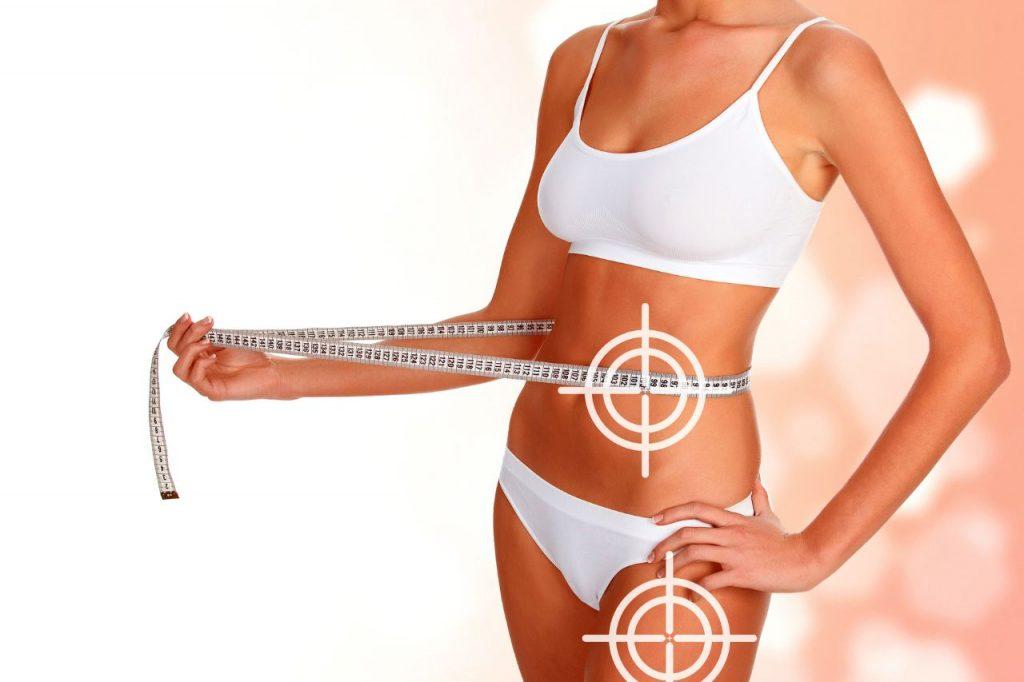
Liposuction is surgery designed to reduce localised body fat. Other treatments for localised fat do not require an operation.
Here we explain common ways to reduce volume in specific areas, what they involve and what outcomes are possible.
These treatments complement diet and exercise. Their aim is to reshape your figure by reducing fat in specific areas. They are not treatments for obesity.
Surgery to remove localised fat
There are two procedures to consider.
Liposuction
Liposuction removes excess fat that affects the body’s contours. It can be considered for substantial fat deposits. The surgeon draws out excess fatty tissue through a cannula and shapes the area during removal to achieve more proportionate contours without irregularities.
Common treatment areas include the thighs, hips, abdomen, arms and buttocks. The surgeon may finish with Renuvion technology to encourage loose skin to tighten and adapt to the new contours.
Lipoabdominoplasty
If there is a large amount of loose abdominal skin as well as localised fat, lipoabdominoplasty may be appropriate. This combines fat removal and removal of excess hanging skin from the middle and lower abdomen, effectively two procedures in one.

Non-surgical treatments for localised fat
Options without surgery include device-based or aesthetic medical treatments. The most popular treatments described here include the following.
Body mesotherapy
Mesotherapy uses tiny injections to deliver small amounts of substances intended to act on fat and waste products in the skin. Results take time to appear and can last six months to a year.
Body carboxytherapy
Carboxytherapy uses small injections of CO₂ under the skin. It aims to mobilise fat within the cells and encourage its breakdown, known as lipolysis. It also targets the formation of cellulite. The treatment plan described here is six to ten sessions.