How is a deviated nasal septum corrected?
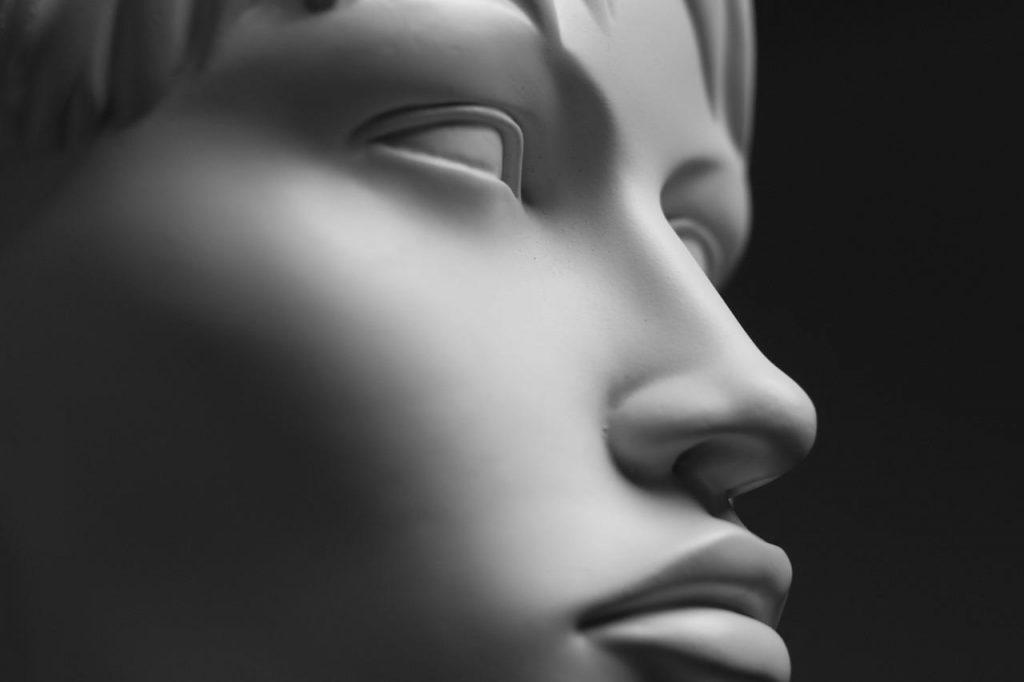
The estimates reported in this article suggest that around 20% of the population has a deviated nasal septum. It can affect the appearance of the nose as well as health. In some cases it can make breathing harder and may increase the risk of problems such as sinusitis.
Here we cover the common causes and the options for correcting a deviated nasal septum.
The most common causes of a deviated nasal septum
The nasal septum is usually straight, but it can become crooked for several reasons. A congenital difference can be present from birth, or the deviation can result from trauma or injury. In that case, a specialist can check whether it is causing breathing problems.
A deviation may also follow previous surgery that did not produce the expected result. If the deviation causes problems, an operation can be considered. It is more common than you might think.

What is septorhinoplasty?
You may have heard of rhinoplasty, which reshapes the nose. Surgery to straighten the septum is called septoplasty. When septum correction is combined with reshaping the outside of the nose, the operation is called septorhinoplasty. The septum is the bone and cartilage that divide the two nostrils.
The first consultation and preparation
Before scheduling surgery, your surgeon will explain the possible benefits and risks. They will ask about your medical history, any conditions and any medicines you take. They will examine the inside and outside of your nose and may take photographs to compare its appearance before and after treatment.
You will usually discuss what you want to achieve with surgery. Your surgeon can explain what is realistic in your case.
The operation
The operation takes around two hours and requires general anaesthesia. Most patients stay in hospital for one night, and initial recovery usually takes about a week.
By around 45 days, you may begin to see how your nose looks and notice an improvement in breathing.
Benefits of septorhinoplasty
If you have a deviated septum, the potential benefits include:
- It can improve facial balance while keeping the result natural.
- Correcting the deviation can reduce self-consciousness and help improve confidence.
- If you had trouble breathing, you may notice an improvement within a few weeks.
- In some cases, surgery can help reduce episodes of sinusitis, nosebleeds or other nasal problems.
- The same operation can refine the shape of the nose if you also want to change its appearance.
- Snoring may improve if it is linked to the deviated septum.
At Clínicas NG we specialise in these operations and other cosmetic surgery and aesthetic medicine treatments. Get in touch to learn more.