Wrinkles aren’t what ages your face the most
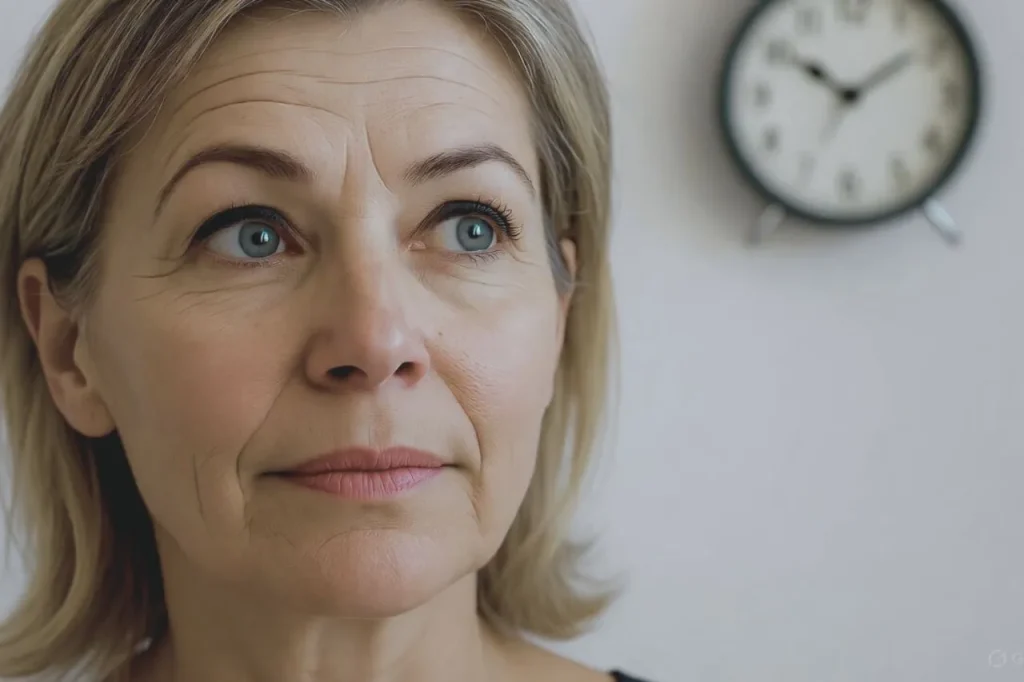
For years we have been led to believe that wrinkles are almost the only sign of ageing and that the sun, along with smoking, is the main culprit.
Look closely, though, and there is more to the picture. The passing years are sometimes revealed by something subtler than lines: a loss of vitality.
The “energy” that once made the skin glow, allowed the face to move naturally and gave it a lively, serene expression gradually fades. The face changes even if the wrinkles stay the same.
Invisible ageing
Beyond visible signs such as sagging, pigmentation and lines, a quiet process of ageing alters the skin’s internal balance. The skin no longer receives oxygen as efficiently, cellular metabolism slows, and the fibres that once maintained natural tension lose tone.
The constant renewal of earlier years gives way to a slower cycle. Gradually, the surface starts to reflect that fatigue underneath.
This invisible process is measured by the pace of life and the way the body reacts to stress, interrupted sleep, hormonal changes, constant screen exposure and urban pollution. These factors are not always immediately visible, but they reduce the skin’s responsiveness, radiance and movement.
Skin fatigue: when the skin gets tired
Some days, the mirror reflects tired-looking skin rather than aged skin. There is a difference. Skin fatigue results from small daily stresses: muscle tension, lack of deep rest, shallow breathing and insufficient oxygen at the cellular level.
Small areas of tension build up between the brows, along the jaw or around the eyes, creating stiffness and a duller appearance. The face loses some of its softness and an expression can look harder even when the person is neither angry nor sad.
Over time, prolonged tension leads to chronic microcontractions that disrupt the skin’s natural ability to breathe and renew itself. The effects go beyond wrinkles, with a loss of radiance, elasticity and ease.
Light: the real measure of youthful skin
Youthful skin is defined by how it reflects light, beyond the presence or absence of wrinkles. Balanced, well-oxygenated skin reflects light evenly. When the skin is tight, dull or overloaded with toxins, light scatters and the complexion looks matte. This explains why some mature faces are radiant while some young faces already look tired.
That radiance depends on several factors, particularly deep hydration, a regular circadian rhythm, healthy microcirculation and restorative sleep. Sleeping well, breathing mindfully, eating well and avoiding peaks of stress are healthy habits and also the most effective formula for better-looking skin.
The role of emotions
Ageing has an emotional as well as a biological dimension. The face reflects how we live, what we keep to ourselves and what worries us. The body can adapt, but the face always has something to say.
The skin is a sensory organ that receives and transmits signals from the nervous system. Emotional tension alters microcirculation, while a calmer state helps the skin receive oxygen. Vital-looking skin is also skin at ease, which has learnt to relax, breathe and come out of a constant state of alert.
Youth is not measured in years
We now know that the skin has its own “circadian clock”, an internal system that regulates cell renewal every 24 hours. Disruption in everyday life can throw this clock off. Cells stop renewing at night as they should and oxidative damage accumulates.
The effect is gradual but significant: the skin loses its synchrony. According to recent Harvard University studies, that disruption is one of the main drivers of visible ageing, even more than the sun exposure mentioned at the start of this article.