What happens when we sleep poorly? The effects of insomnia
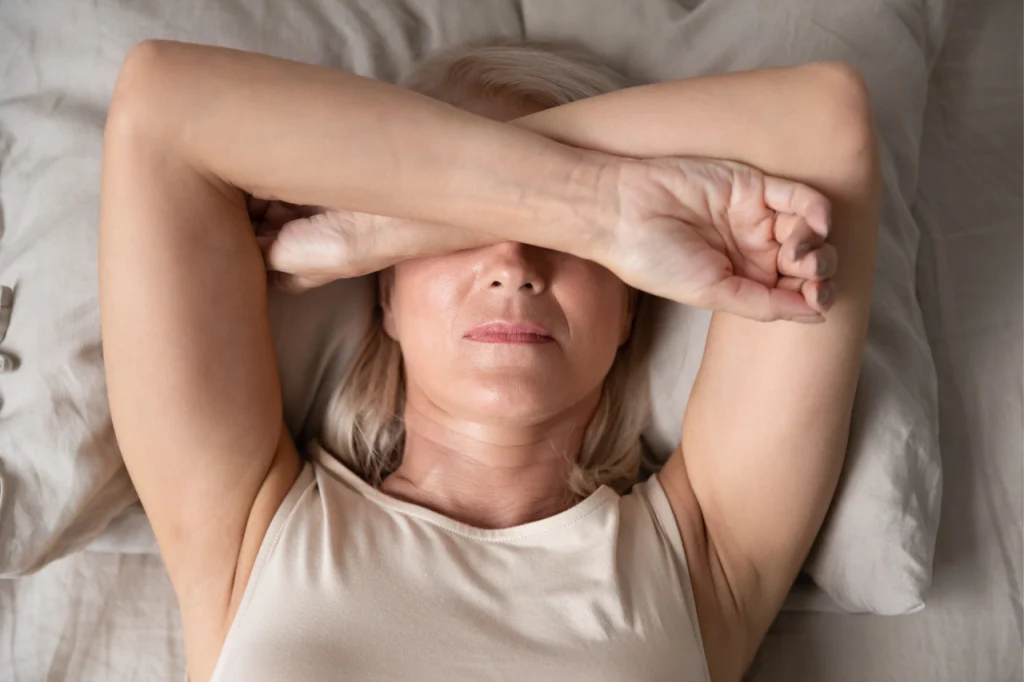
The Spanish Society of Neurology estimates that around 15% of the population has chronic insomnia. It can coexist with obstructive sleep apnoea, which interrupts breathing during sleep.
Both conditions, separately or together, can lead to persistent fatigue, difficulty concentrating and changes in mood.
Respiratory specialist Amina Bekki argues that good-quality sleep should be regarded as an indicator of population health, just like blood pressure or obesity.
Physical and mental health
Insomnia is a complex condition. Qualified healthcare professionals can diagnose it and discuss treatment. Bekki stresses the importance of diagnosis because poor sleep affects physical and mental health and is associated with diabetes, cardiovascular problems and depression. The clinician investigates the causes before choosing a treatment.
The Hospital Clínic de Barcelona also notes that insomnia can contribute to misuse of stimulants, sedatives, sleeping pills, alcohol and other drugs. Anxiety, irritability, low self-esteem and changes in mood can play a part.
Insomnia can also reduce sexual desire.
Effects at work
According to the hospital, poorer performance may have financial consequences and can even jeopardise employment. Reduced attention and concentration can lead to mistakes in decision-making and planning. Creativity and productivity can also suffer.
Associated conditions
The hospital links insufficient or poor-quality sleep with several conditions, including obesity, high blood pressure, type 2 diabetes, heart attack, stroke, depression, some cancers, Alzheimer’s disease and infections.
Recommendations for better sleep
Try to go to bed and get up at the same times every day, including weekends, to help regulate your body clock. Before bed, try reading, meditating or listening to quiet music. Avoid screens and limit naps, especially if you have trouble falling asleep.
Be physically active regularly and avoid strenuous exercise late in the evening if it makes it harder to sleep. Cut back on coffee, tea, caffeinated soft drinks, sugar, chocolate, alcohol and tobacco. Avoid heavy meals late at night. Keep the bedroom dark, quiet and at a moderate temperature, with a comfortable mattress and pillows. Use the room primarily for sleep.