What happens in your body before and after cosmetic surgery?
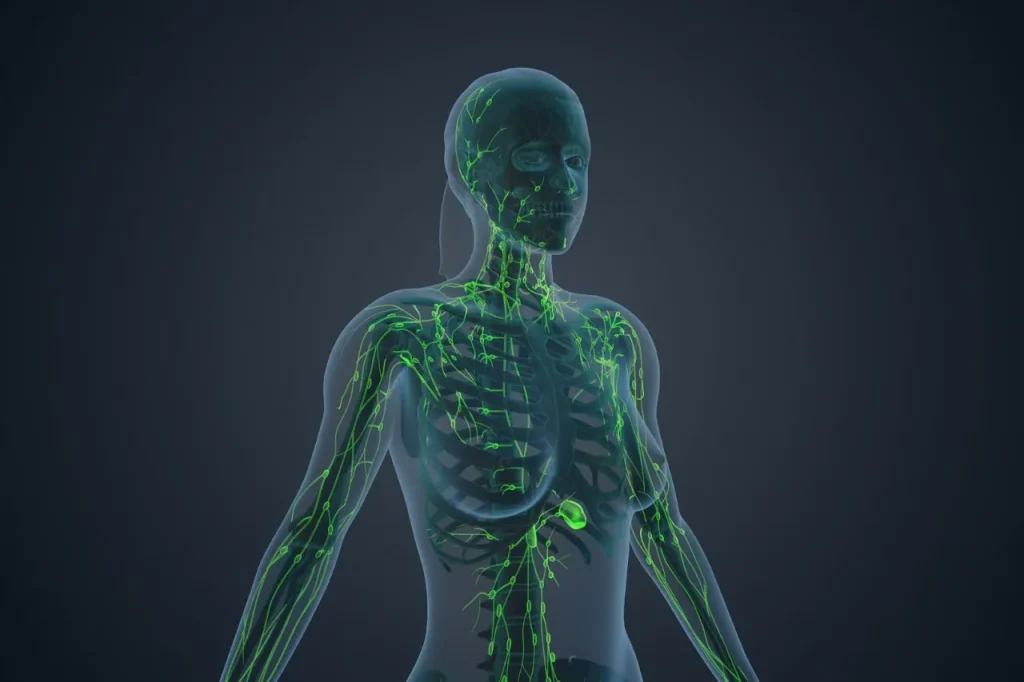
From a biological perspective, the process of cosmetic surgery starts well before the operating theatre and continues for months after the stitches are removed. The body goes through phases of anticipation, adaptation and reorganisation that affect both tissues and the nervous system.
Before surgery: preparation and anticipation
The brain assesses the upcoming procedure. The prefrontal cortex processes the information while structures such as the amygdala detect a possible physical challenge. This can produce a moderate, adaptive state of alertness.
The brain also begins to picture the body after surgery. That anticipated image influences the emotional response and how you prepare for an important event.
In the operating theatre: the repair response
Under anaesthesia, the body remains active. Surgery activates defence and repair mechanisms.
The immune system starts a local inflammatory response that forms part of healing. Circulation adjusts to deliver oxygen and nutrients to the tissues involved. This happens automatically.
After surgery: repair and adaptation
Repair can take weeks. Early inflammation is part of tissue regeneration. The cells involved in healing work together to restore tissue structure and function.
There can be periods of rapid improvement and periods that seem to stall. The pace varies between individuals, and the body directs resources towards recovery.
The brain also adapts its representation of the body. The somatosensory cortex, which integrates body signals, needs time to update its internal map. Unfamiliar sensations, changes in perception or greater awareness of the area can occur. These can be part of adaptation, and your team can assess any symptoms that concern you.
The nervous system adjusts
The change also needs to be integrated into body image. As perception begins to reflect the physical changes, expectations, emotions and attention to the body adjust.
This adaptation takes place alongside healing. The body can change before perception catches up.
When the change becomes familiar
Over the following months, swelling subsides and the changes can begin to feel familiar. The body incorporates them into how it moves and how it is perceived.
Some people may feel a closer fit between how they see themselves and how they feel when moving, looking in the mirror or interacting with others. That can leave them spending less mental energy monitoring their bodies or thinking about discomfort.