Types of breast implants by shape, filling and shell
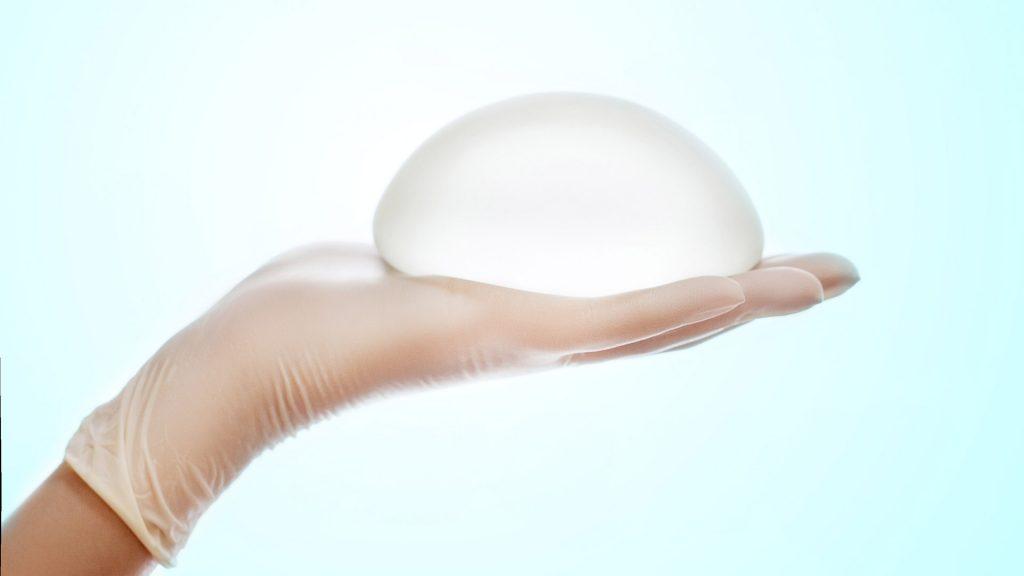
Many women search for types of breast implants to find out which option might suit them best among those available.
The decision should be made with your surgeon. They can assess your individual needs and explain how different implants compare.
Here we explain the properties and uses of different breast implants so you can go to your first consultation informed.
A brief history of breast implants
Implants are used in breast augmentation and lifts and can also be used to correct tuberous or uneven breasts. They date to the early 1960s, when the first breast augmentations were carried out. Timmie Jean Lindsey was the first patient to have this procedure, a milestone in the field.
The first implants had a shell made of the same silicone used for the filling, which at the time was too firm. These first-generation implants were associated with more capsular contractures than desired. In the 1990s, implants with a textured shell were introduced to address the problem.
Manufacturers continue to develop new products. Today, surgeons have a much wider range of breast implants than they had in the last century. Advances allow them to choose an option suited to the patient from high-quality products.
Implants by filling
The main types differ in what they contain.
Silicone implants
Doctors and patients often prefer these because they feel similar to breast tissue. They are soft to the touch and typically produce a natural-looking result.
Saline implants
These are filled with saline solution. They are used less often because they feel firmer and less natural. If an implant ruptures, the body can absorb the liquid.

Implants by shape
Breast implants can also be grouped by their external shape.
Round implants
These were once almost the only implants used. They can give a fuller appearance, which may look less natural in some cases, but may suit the patient’s needs.
Anatomical implants
These are teardrop-shaped, with more fullness at the bottom. They closely resemble the natural shape of the breast and have become widely used.
Ergonomic implants
These contain a flexible, dynamic gel that moves with the body and responds to gravity in a way that resembles a natural breast. They feel soft, and some models also include a microchip for implant identification.
They look more like round implants when the patient is lying down and more like anatomical implants when she is standing.
Implants by shell and surface texture
Breast implants can have different coverings.
Smooth implants
These have a smooth shell and are easy to insert. Capsular contracture can occur in some cases.
Textured implants
A rougher surface was introduced to try to reduce capsular contracture and implant movement. Textured implants include macrotextured, microtextured and nanotextured varieties. Breast implant-associated anaplastic large cell lymphoma (BIA-ALCL) is rare. The risk is higher with textured implants.
Polyurethane-coated implants
These have a polyurethane coating that adheres to the surrounding tissues. The coating was also designed to reduce contracture.
How do I choose the right breast implant?
Reading up on your options can help. The essential step is to discuss them with the surgeon who will operate on you. They can examine you carefully and advise you.
Base the decision on your own needs and keep the size in proportion to your build. This guide focuses on the types and subtypes of implants, beyond size alone.