
Melasma in Sabadell
Melasma patches often appear on the face and can return. Identifying their cause and planning follow-up helps you choose an approach suited to your skin.
- FICHA TÉCNICA
- Tiempo quirúrgico:
- Anestesia:
- Hospitalización:
- Recuperación:
- Resultados:
How to tell melasma from other dark patches
Melasma usually appears as brown or greyish patches, often on both sides of the face. It can affect the cheeks, forehead or area above the upper lip. A single patch with well-defined edges may be another type of pigmentation. Establishing the cause at a consultation matters because a sun spot and melasma require different approaches.
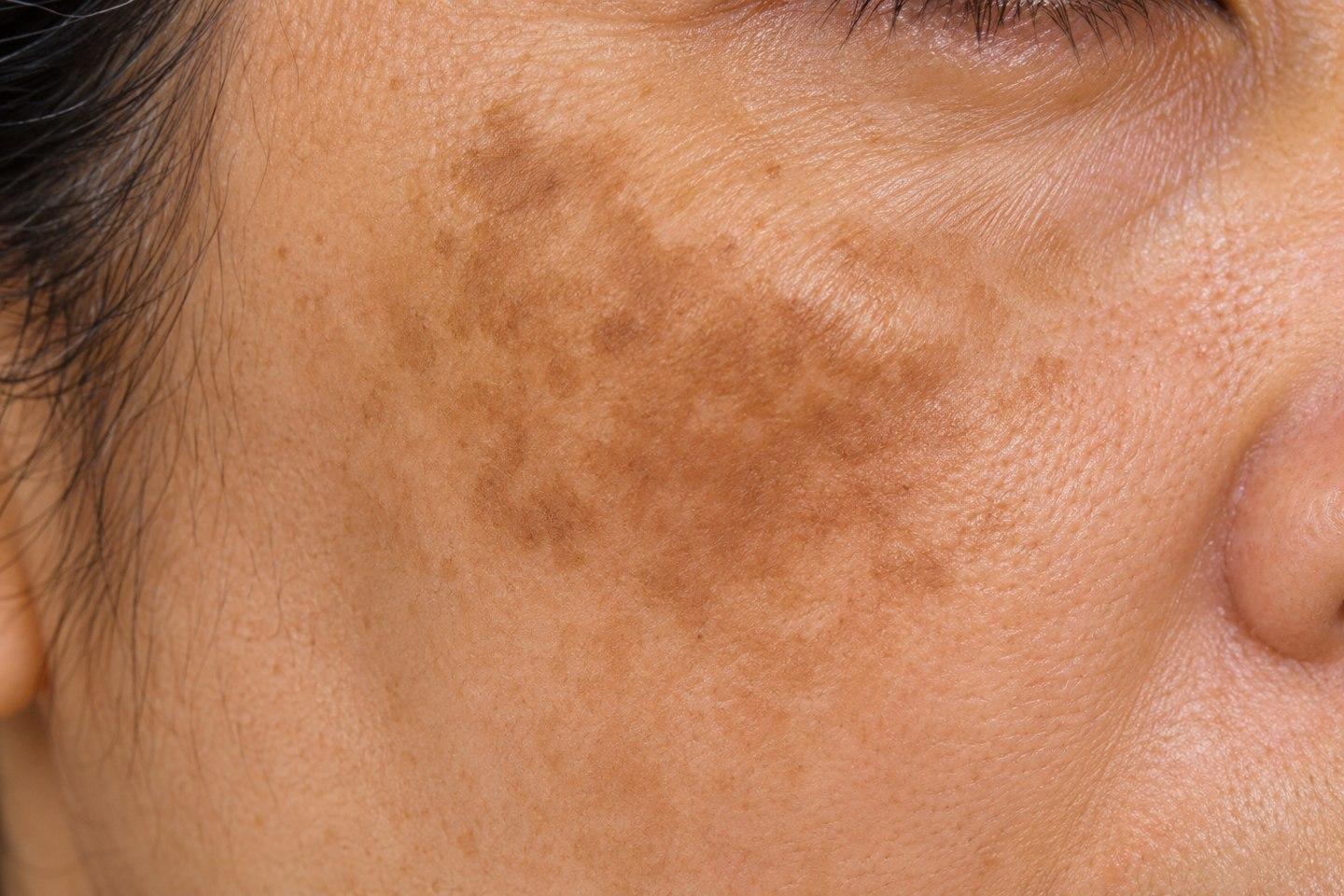
What factors are taken into account?
Sun exposure can darken the patches. We also ask whether they appeared during pregnancy, with hormonal changes or when you started taking a medicine. Tell us if cosmetics, peels or laser treatments have irritated your skin before. Irritation can worsen pigmentation and influences which procedures are worth considering.
Why sun protection matters
Daily sun protection is part of treatment and ongoing care. This can include broad-spectrum sunscreen, shade and a hat when exposure is greatest. In some cases, a tinted sunscreen containing iron oxides is recommended to help protect the skin against visible light. At your consultation, we can tailor the advice to your skin and routine.
When to consider creams, peels or laser treatment
Depending on the diagnosis, the team may consider topical treatments and, in selected cases, additional procedures. The choice depends on your skin tone, the pattern of pigmentation and your response to previous treatments. A procedure that works for a sun spot can irritate melasma. Before considering a peel, laser or IPL, we review whether it is appropriate and the risk that the patch could darken.
What to expect at follow-up
Changes in pigmentation are assessed over time. At follow-up, we check how well you are tolerating the plan, whether the patch is fading and which measures to continue. Melasma can return after improving. Bringing earlier photos and the names of the products you have used can make it easier to compare changes.
Assessment of dark patches and skin concerns · Melasma diagnosis and treatment · American Academy of Dermatology