Lipoedema treatment in Sabadell
When increased leg volume is accompanied by pain, tenderness or heaviness, a medical assessment helps identify the cause. At Clínicas NG we assess lipoedema and care options, including surgery when appropriate.
- FICHA TÉCNICA
- Tiempo quirúrgico:
- Anestesia:
- Hospitalización:
- Recuperación:
- Resultados:
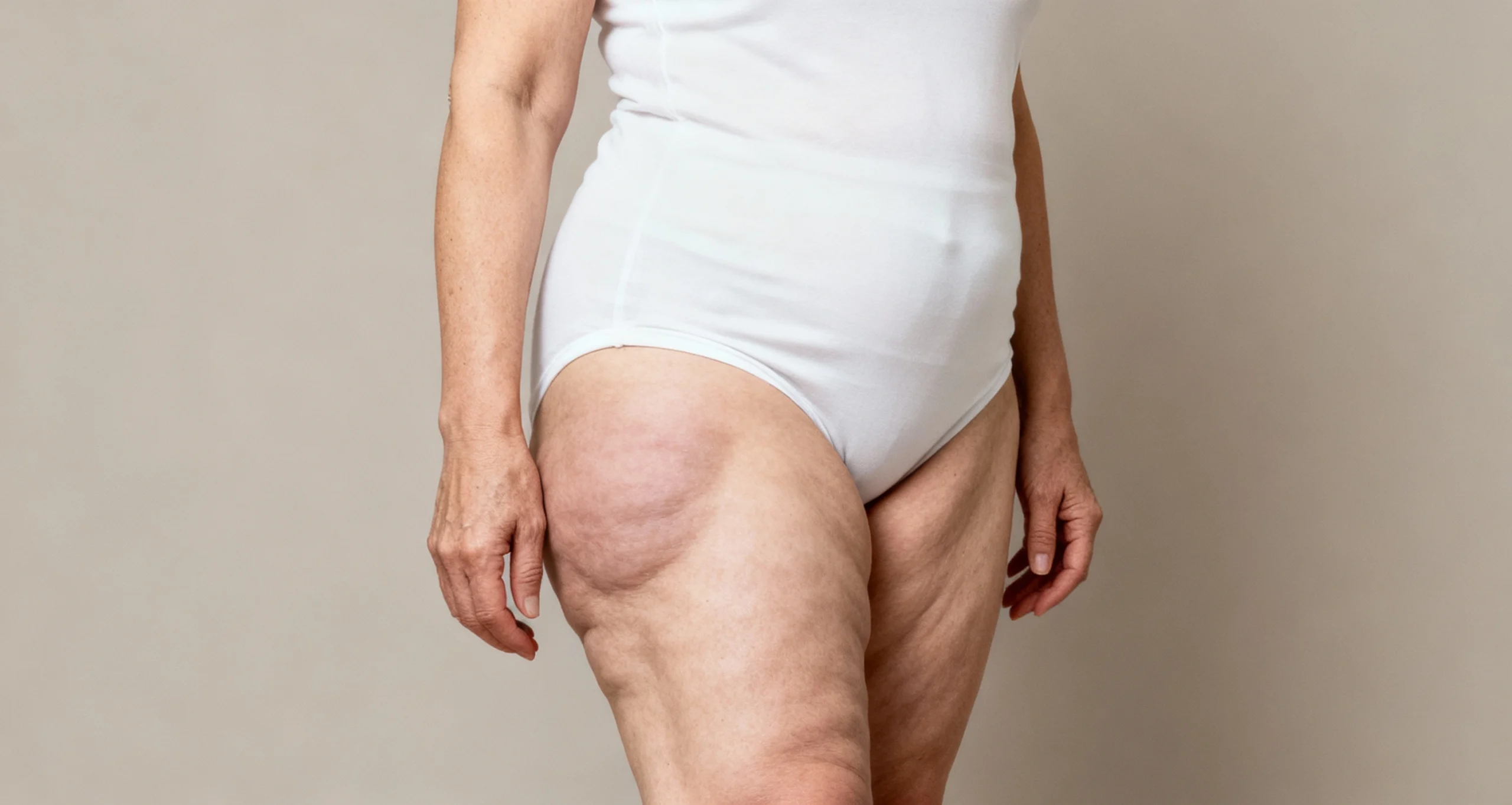
Illustrative image.
Before your visit, think about which symptoms limit you, when they began and what you have tried. This helps us assess more than the appearance of your legs and agree on treatment goals.
An assessment that starts with your symptoms
Lipoedema is a chronic disorder of fatty tissue that mainly affects women. It usually affects both legs symmetrically, increasing their size out of proportion to other areas of the body. It can also affect the arms. The feet and hands are usually spared, although other causes of swelling can coexist.
At the visit we ask how your symptoms affect everyday life. Some people report pain without touching the area, tenderness under pressure, heaviness or easy bruising. We also assess discomfort when walking, standing or when clothing rubs against the skin.
Medical history and examination help assess tissue distribution, skin condition, mobility and swelling. We ask about family history and when the changes began, including around puberty or pregnancy. The exact cause is still being studied.
Distinguishing conditions that can overlap
- Lymphoedema causes fluid build-up and can extend to the feet or hands.
- Venous disease may account for some of the heaviness or swelling in the legs.
- Obesity can coexist with lipoedema. Weight is considered alongside symptoms and examination findings.
If more information is needed, the team may request tests. Types or stages describe tissue distribution and appearance, from smoother surfaces to nodules or folds. Pain intensity and limitations on movement are assessed separately.
Planning care before considering surgery
Conservative treatment aims to ease symptoms and preserve mobility. We tailor it to what you can tolerate, the areas affected and whether there is oedema or another associated condition.
Compression tailored to the individual
Compression garments and bandages can help manage pain and heaviness. The prescribing professional chooses the material, pressure and size. A good fit helps them work and makes daily use easier.
Activity and physiotherapy support
Activity is introduced gradually according to your abilities. Walking, cycling, water-based exercise and strength work can all be adapted. Physiotherapy takes symptoms and mobility into account. Manual drainage is considered based on associated oedema, pain and the response to other measures.
General health and wellbeing
We also review nutrition, care of the skin and skin folds, and any excess weight, venous disease or lymphoedema. Tell us if pain is affecting your sleep or emotional wellbeing so we can account for it in your care plan.
Deciding on surgery with specific goals
Liposuction may be considered when the diagnosis is confirmed and pain or functional limitations persist despite tailored conservative care. Suitability depends on your general health, previous measures, the areas that affect you most and the balance of benefits and risks.
The aim is to reduce some of the affected tissue and improve symptoms and function. The LIPLEG trial, published in 2026, found that a greater proportion of participants in the surgery group reported a meaningful improvement in leg pain at one year compared with conservative treatment. More adverse events were recorded in the surgery group, and longer-term outcomes are still being studied.
Bring your records and tell us about your experience with compression, exercise or physiotherapy. This helps prioritise areas and assess whether surgery should be staged.
How MicroAire fits into surgical planning
When surgery is indicated, Clínicas NG uses power-assisted liposuction (PAL) with the MicroAire system. The device moves the cannula a short distance back and forth while the surgeon directs suction through small incisions.
- Preoperative assessment. We review medical history, medication, skin and circulation, including the risk of blood clots. The team confirms the areas to treat, the anaesthetic and the expected length of stay.
- Treatment of the agreed areas. The plan may include infiltration of a solution using a tumescent technique. The cannula pathway is planned with attention to blood vessels and lymphatic structures.
- Review between stages. If the extent of treatment makes staging advisable, recovery from the first procedure helps determine when to consider the next one.
Risks and limitations to discuss
Before deciding, we explain the risks of bleeding, infection, fluid collections, sensory changes, irregularities and wound healing problems. The assessment also considers blood clots, fat embolism, fluid imbalances, complications related to anaesthesia and effects on lymphatic drainage.
The team explains which risks matter most in your case and how prevention and follow-up are organised. Each person responds differently and conservative care may still be needed after surgery.
Recovery is part of treatment
Swelling, pain and bruising can occur after surgery. Before discharge, you should know how to care for incisions, how to move and how to use compression if prescribed. Manual therapy and physiotherapy are adjusted as you recover.
At follow-up, we check your wounds, symptoms and mobility. This informs the use of compression garments and your return to work and exercise. Some people may need conservative support for longer.
Urgent medical attention. Sudden swelling of one leg, especially with redness, warmth and pain, needs urgent assessment. If you develop sudden shortness of breath or chest pain, call 112.
Further reading
Preparing for your visit to Clínicas NG
If you would like an assessment of your symptoms, gather the reports you have and a list of treatments and care you have tried. You can tell the team which activities are most difficult and discuss your questions.