Chemical peels in Sabadell
A chemical peel may be considered for some superficial dark patches, uneven texture and certain signs of sun damage. The diagnosis, skin tone and expected recovery guide the choice of depth.
- FICHA TÉCNICA
- Tiempo quirúrgico:
- Anestesia:
- Hospitalización:
- Recuperación:
- Resultados:
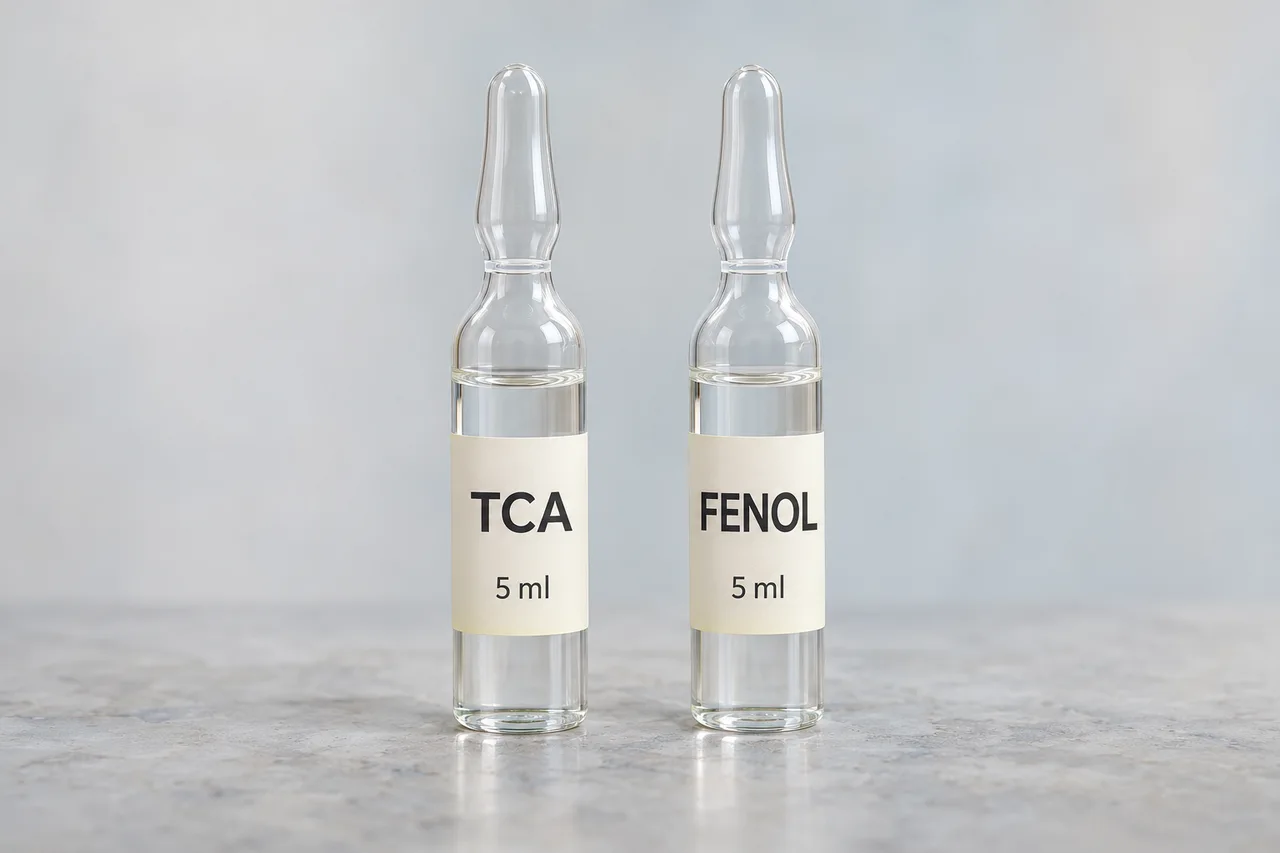
When might a chemical peel be considered?
A chemical peel produces controlled exfoliation. It can be part of the approach to some sun spots, uneven texture and certain types of acne. At the consultation, we identify what caused the patches or marks to decide whether a peel fits your plan for addressing skin concerns.
How is the depth chosen?
- Superficial. It acts on the outer layers of the skin and may be considered for mild uneven tone or texture. Glycolic and salicylic acids are among the commonly used agents.
- Medium-depth. It reaches a deeper layer and may be considered for certain fine lines or superficial scars. It usually requires more recovery time than a superficial peel.
- Deep. It is reserved for selected cases and requires a specific medical assessment and closer follow-up.
Phenol and croton oil or fractional CO₂ laser
Phenol with croton oil is one formulation used for deep peels. In addition to possible changes in pigmentation and scarring, absorption of phenol can affect heart rhythm. For extensive deep treatments, risk assessment and cardiac monitoring are part of the planning.
Fractional CO₂ laser delivers energy in small, separated columns. It may be considered for certain texture concerns and scars. The choice depends on skin phototype, the concern being treated and the recovery time you can accommodate.
Preparation and recovery
Before deciding, the medical team reviews your skin tone, medicines, medical history and recent procedures. If you are seeking advice about melasma, it is important to identify it and assess the risk of pigmentation changes before choosing treatment.
After a peel, you may notice redness, tightness or flaking. Recovery depends on the depth and area treated. At the consultation, we agree on sun protection, aftercare and follow-up suited to your case.