IPL for pigmentation and redness
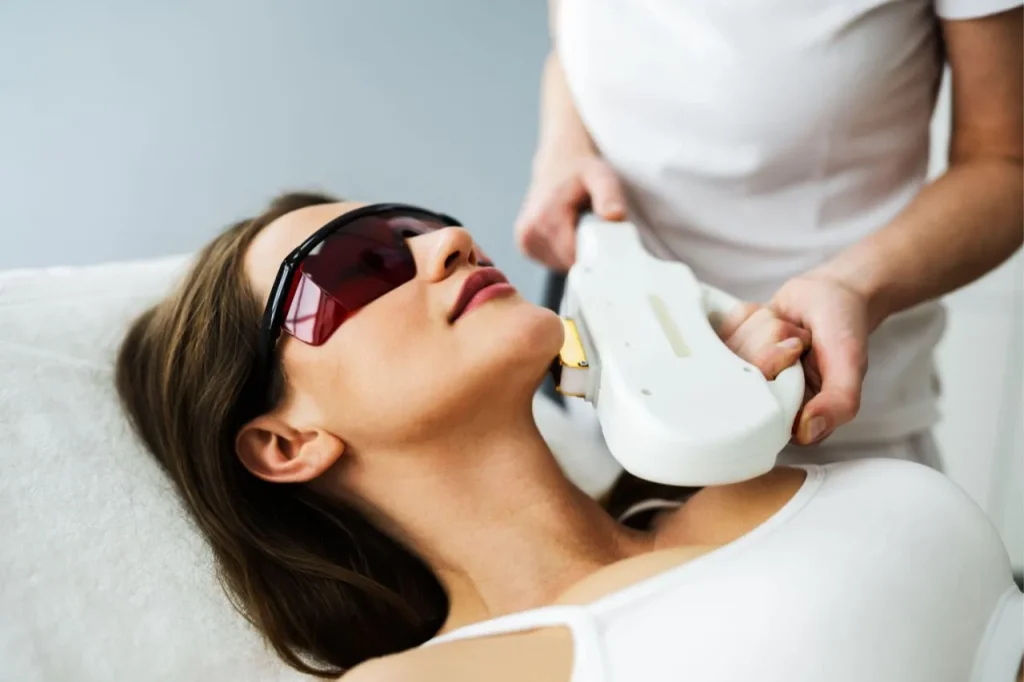
In a field where technologies come and go quickly, intense pulsed light (IPL) has been used for years. It is often described as a laser, although it works differently. It may be considered for pigmentation, redness and visible signs of sun damage.
What is IPL and how does it differ from a laser?
A laser emits concentrated, coherent light at a particular wavelength. IPL produces a broad spectrum of light, filtered according to the treatment goal. It can therefore be adapted to target different chromophores in the skin:
- Melanin, associated with pigmentation.
- Haemoglobin, involved in redness and visible vessels.
Why is IPL still used for pigmentation?
Even with the emergence of more targeted or intensive technologies, IPL offers a selective, gradual approach. When melanin absorbs the light, controlled heating breaks up the pigment and allows it to clear gradually. Skin tone may even out over several sessions. Sun spots, lentigines and some superficial pigmentation are among the concerns that can be assessed.
Redness and photoageing
IPL can also be considered for spider veins, diffuse redness and couperose. Selective heating can cause small vessels to shrink or be reabsorbed over time, helping to even out skin tone.
The role of collagen
IPL can also gently stimulate activity in the dermis and encourage some collagen production. This may contribute to a more even texture and brighter appearance, which is one reason it is used in gradual photorejuvenation programmes.
How IPL is used
IPL requires clinical judgement and experience. Treatment is tailored to the type of pigmentation, its depth, the skin phototype and any vascular component. Inappropriate use can reduce effectiveness or produce uneven results. When well selected and applied, improvements can develop gradually.
IPL and other technologies
Different devices can address similar concerns through different mechanisms. Fractional CO₂ laser creates small areas of injury to stimulate renewal and is often considered for pronounced wrinkles, irregular texture or scars. Radiofrequency heats the dermis and is used mainly to address firmness, without specifically targeting pigment or vessels.
As devices and techniques evolve, IPL continues to have a place in protocols for selected pigmentation concerns because it can be adapted and offers a balance between effectiveness and tolerability.
> CLÍNICAS NG NEWS section
Medical centre authorised by the Government of Catalonia, registration no. E08945122
Plastic, reconstructive and aesthetic surgery
Aesthetic medicine
93 716 95 25
654 32 67 57
// About Dr Nélida Grande
Dr Grande graduated in Medicine and Surgery from the Autonomous University of Barcelona. She specialises in plastic surgery of the breasts, body and face, and in advanced aesthetic medicine treatments. Drawing on her extensive professional experience, she sees beauty as closely linked to health. Her approach is to treat the body so that the mind can find its balance.