Emotional validation: what it is and how to practise it
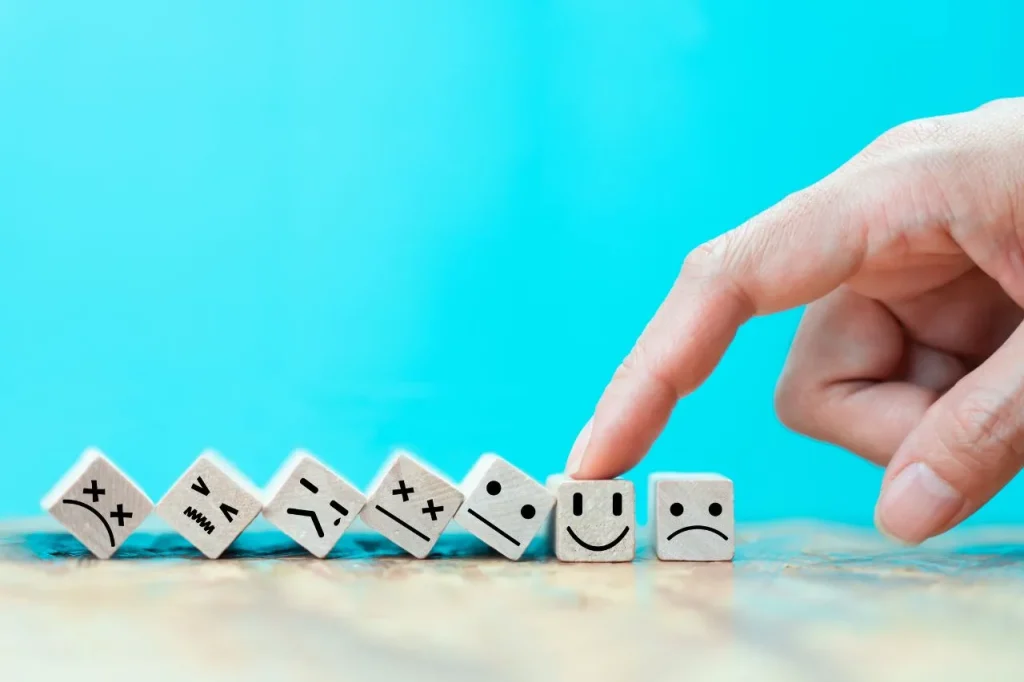
For a long time, psychology focused on how to control emotions. Over recent decades, research in neuroscience and clinical psychology has drawn attention to the importance of validating what we feel.
Emotional validation means acknowledging that a feeling exists and makes sense in the context of someone’s experience. You can do this without agreeing with everything or excusing every behaviour. Practised with yourself and with others, it can influence psychological wellbeing and how you perceive your body.
Validation and the words ‘It’s not a big deal’
To validate an emotion is to acknowledge and name it, and accept it as part of human experience. When someone feels sad, frustrated or insecure, hear how they feel before judging it.
Ignoring or denying emotions can intensify them. Hearing ‘it’s not a big deal’, ‘you shouldn’t feel that way’ or ‘you’re overreacting’ can make someone feel that their experience is being dismissed, which can heighten their distress.
Acknowledging the emotion can help someone feel safe. Feeling understood can ease its intensity and make it easier to process it clearly.
What happens when we feel understood?
Research on emotion regulation links feeling heard with brain circuits involved in a sense of safety. These networks have been associated with substances such as oxytocin, which play a role in the stress response.
Research also examines how validation can affect activity in regions associated with threat, including the amygdala, and in prefrontal areas involved in reflection and regulation. The brain responds differently to understanding, rejection and having an experience played down.
Five benefits of validating emotions
The psychological literature describes several benefits of validating both our own emotions and those of others.
- Emotion regulation. Recognising feelings can make them easier to process.
- Steadier relationships. Feeling heard helps build trust.
- Less psychological stress. Validation can reduce a sense of social threat.
- Greater self-awareness. Identifying emotions helps us understand our reactions.
- Greater confidence in our feelings. Acknowledging emotions helps us accept them as legitimate.
This approach is used in several therapies. Difficult emotions can remain present while growing less intense or changing over time.
How to practise emotional validation
Start by listening without immediately trying to correct how the other person feels. The instinct is often to offer solutions or play down the problem. Before giving advice, it is often more helpful to acknowledge what the person is feeling.
Statements such as ‘I can see why this affected you’ or ‘It makes sense to feel that way after what happened’ convey understanding without having to justify the situation.
Validating your own feelings
You can acknowledge the feeling before reacting with self-criticism. Saying to yourself ‘I’m feeling anxious’ or ‘That frustrated me’ can help you observe the experience at a little distance and decide what to do without getting stuck in it.
Emotional validation and personal care
Emotional wellbeing and personal care can go together. For many people, feeling comfortable with their appearance is part of their psychological wellbeing.
Where the decision comes from matters. A wish to change a feature that comes from social expectations, persistent criticism or pressure from others, such as a partner, can deepen insecurity. A considered personal decision aimed at feeling more comfortable with yourself may feel very different.
When approached with realistic expectations, aesthetic changes can be part of the relationship someone wants to have with their body. Reflecting objectively on how we want to look can also be a way of acknowledging how we feel.
> CLÍNICAS NG NEWS section
Medical centre authorised by the Government of Catalonia, registration no. E08945122
Plastic, reconstructive and aesthetic surgery
Aesthetic medicine
93 716 95 25
654 32 67 57
// About Dr Nélida Grande
Dr Grande graduated in Medicine and Surgery from the Autonomous University of Barcelona. She specialises in plastic surgery of the breasts, body and face, and in advanced aesthetic medicine treatments. Drawing on her extensive professional experience, she sees beauty as closely linked to health. Her approach is to treat the body so that the mind can find its balance.